From Fragmented Events to Category Powerhouses: Inside Hyve’s Growth Engine
# Hyve Group strategy
# revenue operating model
# exhibitions industry transformation
# scalable event brands
# hosted buyer meetings
# private equity value creation
How Hyve Rebuilt the Event Model Around Focus, Data, and Predictable Growth
Heather Holst-Knudsen
For years, the events industry chased scale. More shows. More cities. More square footage. Growth was measured by footprint, not impact, and returns were often left to chance.
Mark Shashouasaw the limits of that model long before most of the market was forced to confront them.
In this episode of The Revenue Room Podcast, Heather Holst-Knudsen sits down with the CEO ofHyve Group to unpack one of the most deliberate transformations in the global events business. What emerges is a clear view into how Hyve rebuilt its operating model around focus, data, and outcomes, and why that shift has fundamentally changed how the company grows.
This is a conversation for executives who think in systems, not tactics.
Why the Legacy Event Model No Longer Delivers Growth
The traditional event playbook was built for a time when attendance was enough. Sponsors accepted uncertainty as part of the deal, and success was defined by how much space you could sell.
That era is over.
As Mark explains, when markets tighten, spending does not disappear. It concentrates. Events that are not essential lose relevance quickly.
“Whenever there’s a downturn, there’s a gravitational pull of spend toward the main event,” Mark says.
Hyve’s strategy was shaped by that reality. The company does not try to be everywhere. It focuses on being indispensable where it plays.
WATCH THE FULL EPISODE ON OUR YOUTUBE CHANNEL
From Geographic Sprawl to Category Ownership
One of Hyve’s most consequential decisions was to walk away from geographic sprawl.
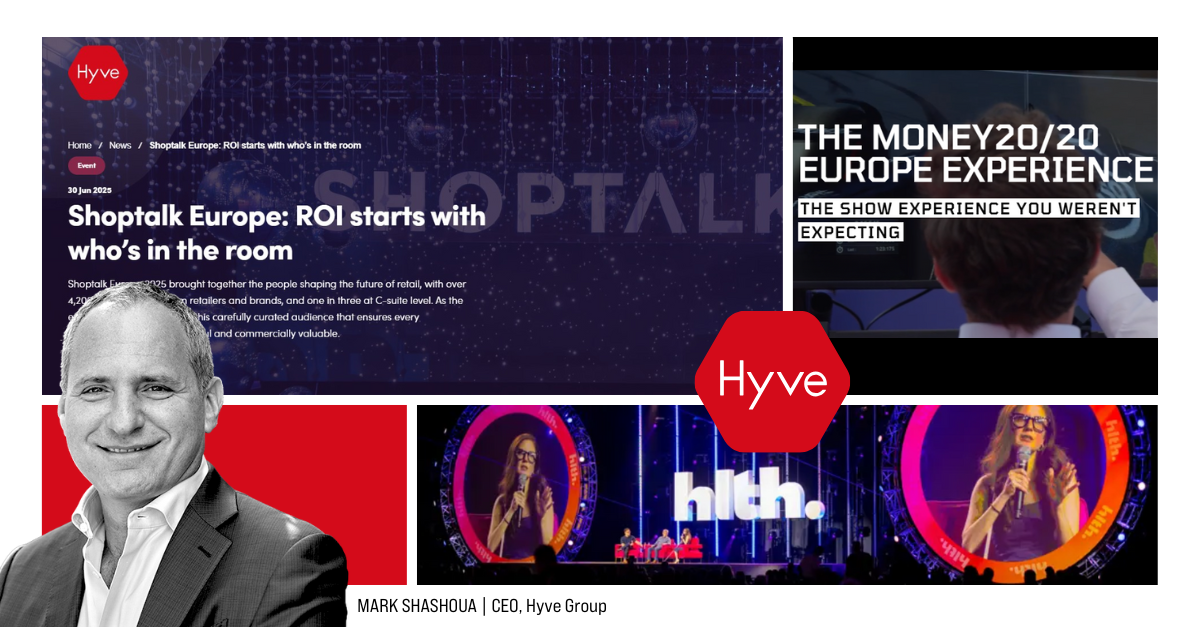
Rather than running hundreds of loosely connected events, the company narrowed its portfolio to category-defining brands that sit at the disruptive center of their industries. Retail technology. Health technology. Fintech. Marketing and commerce.
Mark is clear that Hyve is not looking for marginal assets or turnaround stories. The focus is on strong, founder-led brands with room to scale and markets that matter.
“We care first about the end market,” he explains. “And whether the event sits at the disruptive center of that ecosystem.”
That discipline protects pricing power and relevance, especially when conditions change.
Replacing Chance-Based Networking With Engineered Outcomes
The most meaningful shift happened on the show floor.
Hyve moved away from selling square footage and hoping value would emerge. Instead, the company invested heavily in first-party data, curated buyer communities, and double opt-in meetings programs.
Networking became infrastructure. Outcomes were designed in advance.
“Nothing drives more ROI than knowing exactly who you’re going to meet,” Mark says.
Exhibitors are no longer paying for exposure. They are paying for guaranteed access to decision-makers, pre-agreed meetings, and measurable commercial outcomes. This shift fundamentally changes how events are valued and why Hyve consistently wins budget when others struggle.
Predictability is not accidental. It is engineered.
Hyve treats its most valuable attendees as a strategic asset. Internally, Mark refers to them as “gold dust” — the buyers others are willing to pay to meet. The company tracks them, invests in them, and often subsidizes their participation to ensure quality and engagement.
“We spend a huge amount of money bringing the right people to our events,” Mark explains. “Because that’s what makes everything else work.”
That investment turns events from speculative marketing bets into reliable growth channels.
Centralizing the Operating Model Without Diluting Brand Value
Scaling founder-led brands is where many portfolios fail. Centralization often strips away what made the asset valuable in the first place.
Hyve took a different approach.
The company centralized best practices such as pricing strategy, procurement, sales operations, and data infrastructure, while leaving brand identity, community trust, and vision intact.
The goal, as Mark describes it, is not to own more events, but to build a platform that makes strong brands stronger without killing what made them work.
Why This Model Resonates With C-Suite Operators
What makes this episode compelling is not the industry context but the operating logic.
Hyve’s evolution mirrors challenges every senior leader recognizes. Fragmented portfolios. Legacy revenue models. Pressure to prove ROI. Customers demanding outcomes instead of activity.
Mark Shashoua offers a clear, experience-driven view into how growth engines are rebuilt for these realities, favoring focus over sprawl and systems over tradition.
For C-suite leaders responsible for growth, revenue, or portfolio strategy, this conversation should feel familiar. The questions Mark is answering are the same ones showing up in executive meetings right now. Where to focus. What to stop doing. How to build systems that hold up when budgets tighten and expectations rise.
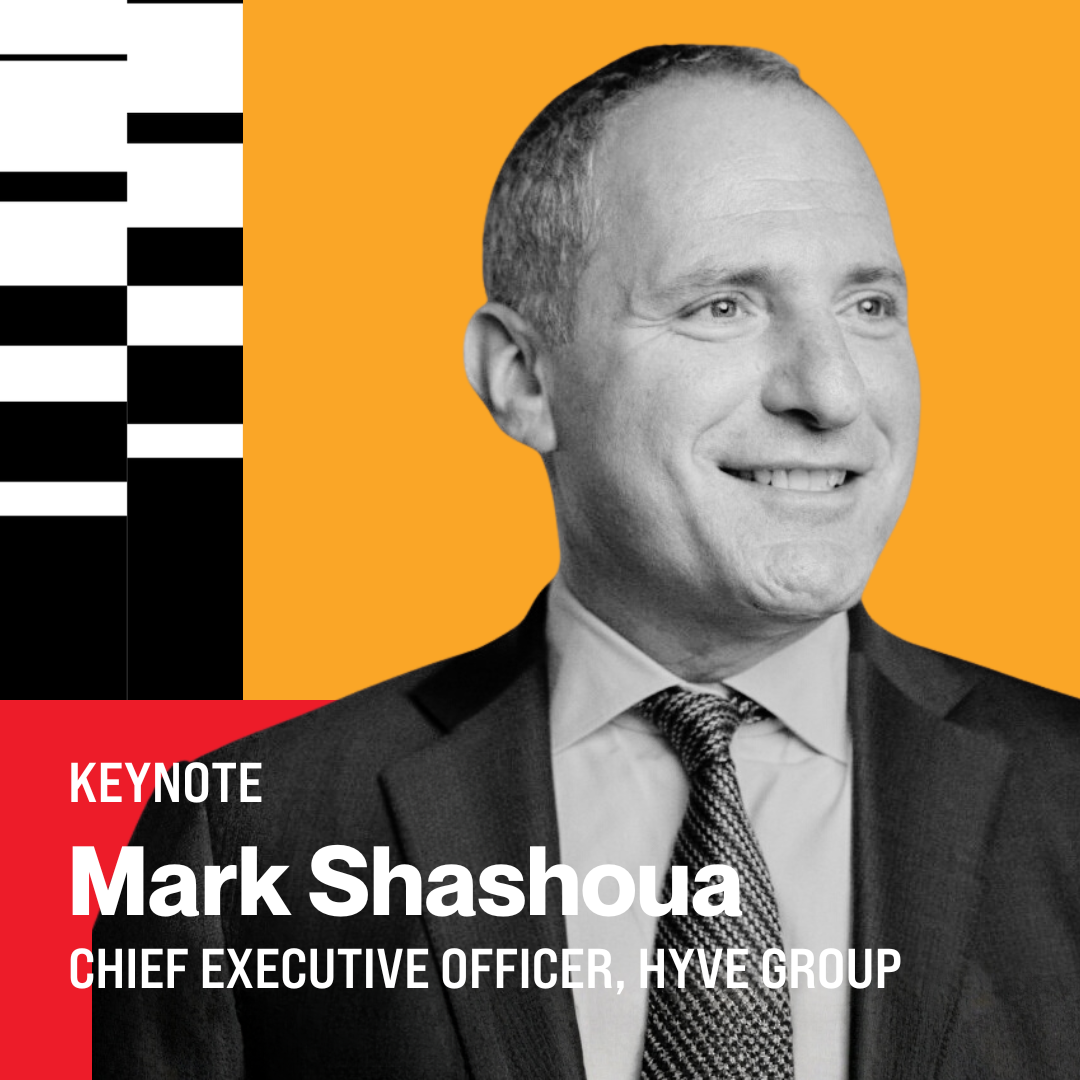
That is also why Mark will be on stage as a keynote at RevvedUP 2026. The ideas he shares in this episode are not theoretical. They are the result of real decisions made at scale, and RevvedUP creates the space to examine those decisions in person, with peers facing similar trade-offs.
That same conviction is why we built RevvedUP 2026and Revenue Room™ CXO. These are rooms designed for CEOs and revenue-critical leaders who want to challenge assumptions, pressure-test strategy, and learn from peers who are making similarly consequential decisions. For leaders navigating scale, portfolio discipline, and long-term value creation, this is where the conversation continues.