Increasing customer lifetime value (CLV) isn’t just about selling more. It’s about strategically generating more revenue from each customer while managing costs.
Businesses that focus on the right strategies can unlock long-term profitability and stronger customer relationships.
1. Strengthen Customer Relationships
Building strong relationships is the foundation for increasing CLV. Cross-selling and upselling allow businesses to recommend complementary products or premium upgrades, deepening engagement and boosting revenue per customer. Loyalty programs, such as points systems, exclusive perks, or discounts, reward repeat purchases and foster long-term commitment. Personalized recommendations powered by customer data ensure interactions are relevant, enhancing satisfaction and encouraging higher spending.
2. Drive Revenue Through Subscriptions and Bundles
Subscription models provide predictable revenue while extending customer relationships. Encouraging customers to move from one-time purchases to recurring subscriptions creates steady growth. Similarly, product or service bundles can increase average order value, offering convenience while encouraging customers to buy more than initially intended.
3. Reduce Customer Acquisition Costs (CAC)
Lowering CAC is essential for profitable growth. Focusing on high-value customer segments ensures marketing efforts are efficient and impactful. Referral programs turn loyal customers into advocates, attracting new clients with lower costs and higher retention potential. Additionally, organic marketing—through content, SEO, and social media—helps acquire customers in a cost-effective manner, reducing dependence on paid advertising channels.
4. Enhance Retention and Engagement
Retention directly impacts CLV. Exceptional customer support, proactive communication, and rapid issue resolution build loyalty. Collecting customer feedback helps refine products, services, and experiences. Effective onboarding ensures customers understand how to get maximum value from your offerings, reducing churn. Community-building initiatives, such as forums or customer groups, strengthen relationships and drive engagement.
5. Optimize Pricing and Offerings
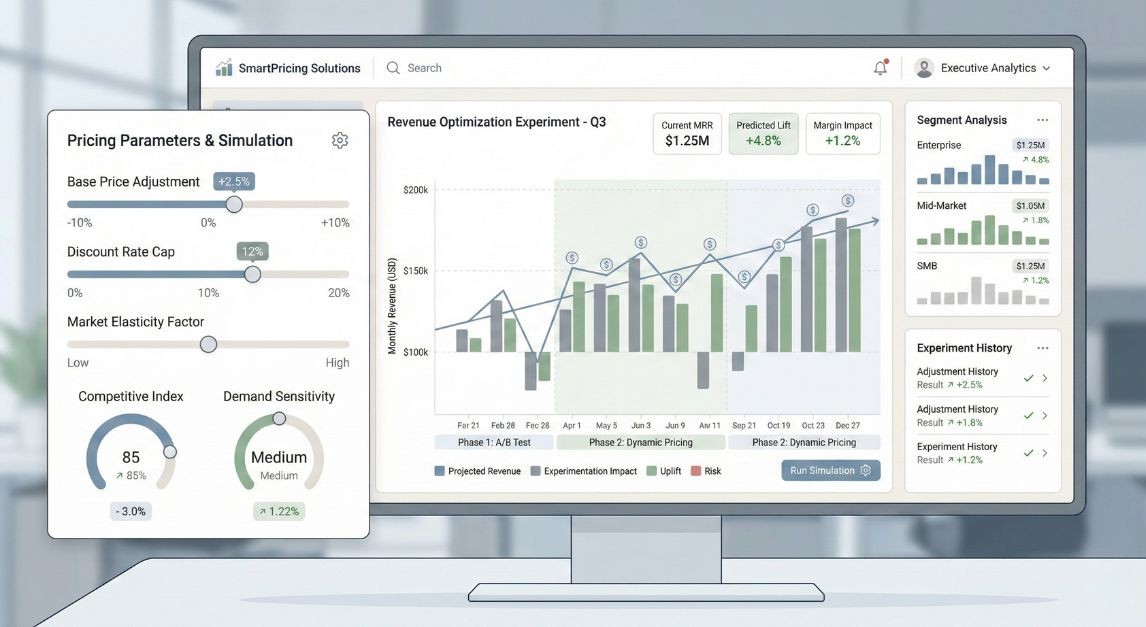
Smart pricing strategies can significantly increase CLV. Value-based pricing aligns product costs with perceived value for different customer segments. Dynamic pricing allows adjustment based on demand, behavior, or market conditions. Strategic discounts and promotions can incentivize purchases without eroding overall margins. Continuous product improvements and personalization keep offerings attractive and increase the likelihood of repeat purchases.
6. Improve Operational Efficiency
Efficient operations support profitability. Automating customer support through AI, chatbots, or self-service portals reduces costs and improves response times. Streamlining workflows in sales, marketing, and support frees up resources for high-value activities. Outsourcing non-core functions, such as logistics or technical support, can further reduce costs without compromising service quality.
7. Segment Customers by Profitability
Not all customers contribute equally to revenue. Using data to identify high-value customers allows businesses to focus retention and growth efforts where they matter most. Offering differentiated service—premium support for top customers and self-service options for others—ensures resources are allocated effectively.
8. Leverage Data for Insights
Data analytics unlocks opportunities for growth. Understanding customer behavior, purchase patterns, and feedback helps tailor marketing, sales, and product strategies. Predictive analytics can identify customers at risk of churn, enabling targeted retention campaigns with personalized offers or proactive support.
9. Maximize Up-Sell and Cross-Sell Opportunities
CRM insights and customer data are invaluable for identifying opportunities to increase revenue. Equipping sales and support teams with the right tools and training ensures they can recognize and act on these opportunities during customer interactions, increasing overall CLV.
10. Monitor and Improve Customer Experience
Mapping the customer journey helps identify friction points and opportunities for improvement. Regularly measuring Net Promoter Scores (NPS) provides insight into satisfaction and loyalty, guiding initiatives to enhance experiences and strengthen long-term relationships.
Maximizing customer lifetime value is just one piece of the growth puzzle. For executives looking to take their revenue strategies to the next level, Revenue Room™ CXO offers an exclusive community where leaders exchange insights, best practices, and actionable strategies to accelerate business growth. In addition, RevvedUP 2026 is designed to equip revenue leaders with cutting-edge frameworks, tools, and peer-led learning experiences for the year ahead. From mastering expansion revenue to optimizing customer profitability, RevvedUP 2026 ensures your organization stays ahead in a rapidly evolving market. Discover how these programs can help you turn customer insights into measurable business outcomes, boost revenue, and strengthen your leadership impact. Join Revenue Room™ CXO today and get ready to RevvedUP 2026.