The CEO Playbook Hidden Inside Jessica Sibley’s TIME Reinvention
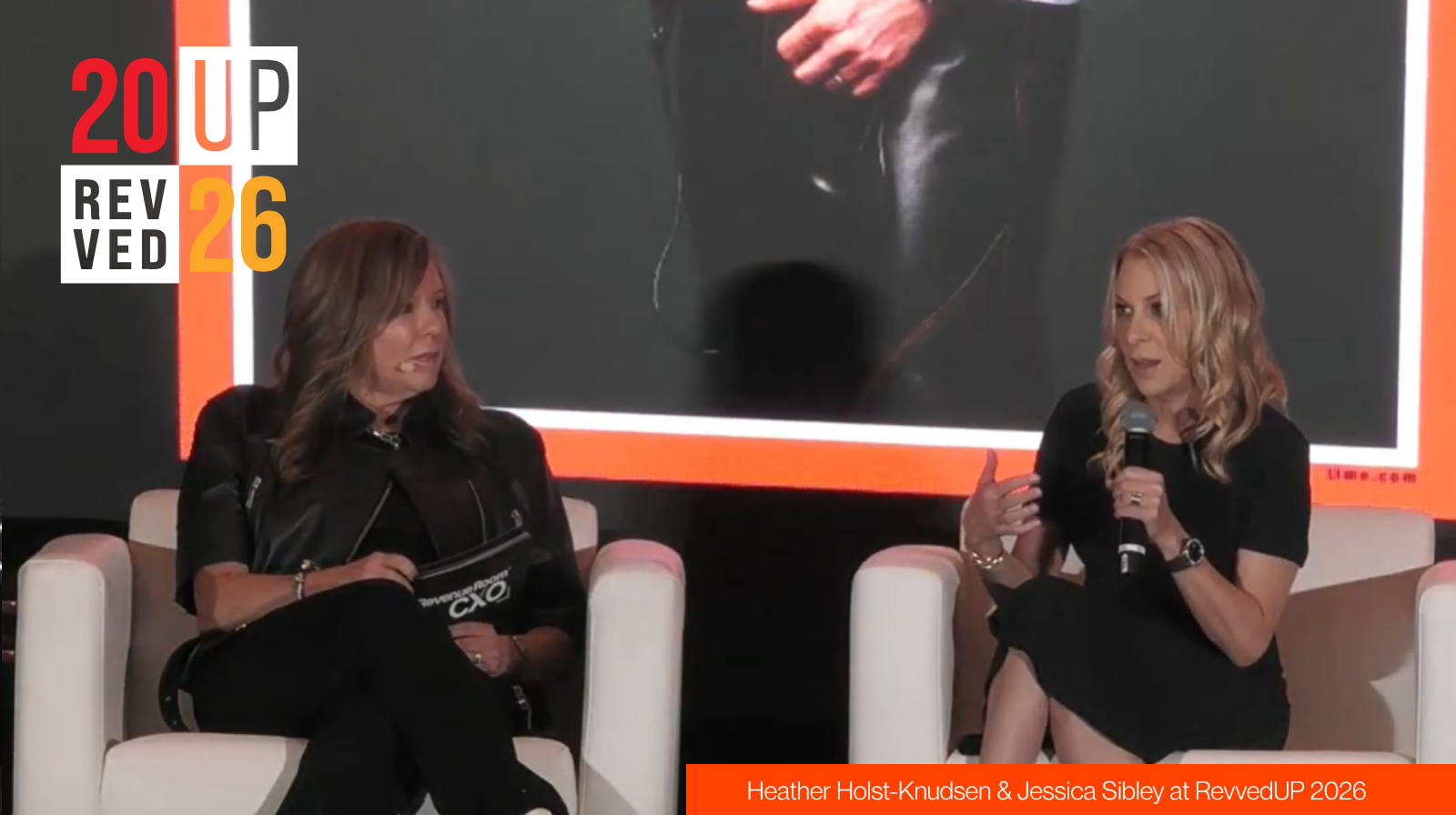
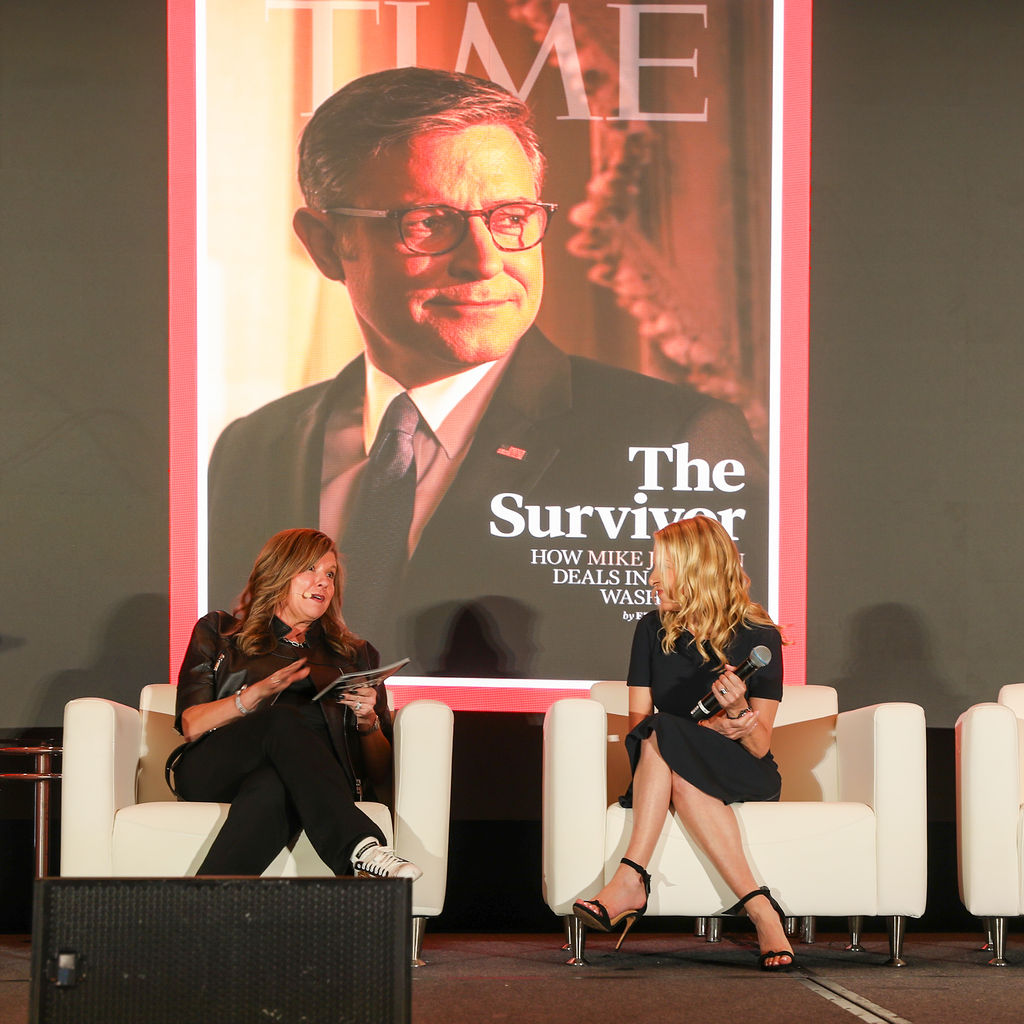
At RevvedUP 2026, TIME CEO Jessica Sibley delivered something more useful than a keynote: a field manual for legacy media CEOs trying to modernize without torching the trust that made their brands valuable in the first place. Her core message was not “move faster.” It was sharper than that: move fast only after you know what business you are really in.
For Time, that meant building what Sibley calls “Time 3.0”, a reinvention plan that began as a seven-page memo and became an operating system. “We need to make a lot of change carefully, but quickly,” she said. That is the paradox every media CEO now faces. The industry does not reward nostalgia. But it also punishes reckless reinvention.
The first move: customers before org charts
Sibley’s first major decision was telling. She did not start with a newsroom restructure, a product roadmap, or an AI lab. She started with revenue reality.
“I’m going to see a hundred customers in the next 100 days,” she said. Not employees. Not consultants. Customers.
That distinction matters. Too many media transformations begin inside-out: strategy offsites, brand architecture, platform migrations. Sibley went outside-in. She wanted to understand “the revenue opportunity” and “the best path forward” to build “a stronger, healthier, profitable business.”
For CEOs, the lesson is blunt: your transformation thesis should be stress-tested by buyers before it is socialized internally. Especially in media, where audience love and advertiser value are related but not identical.
How can we, every single day, show up and shine as Time? - Jessica Sibley, CEO, Time
That line captures the heart of the playbook. Sibley was not trying to turn Time into a SaaS company, an events company, or a generic content studio. She was trying to make the best commercial version of Time.
That meant deciding what to stop doing.
She described Time as “this amazing castle” whose foundation had weakened while new side bets accumulated on top. The foundation, she said, was journalism. “Our core is our product. And our product is our journalism.”
That is not sentimental. It is economic. In a market drowning in commodity content, differentiated editorial authority becomes pricing power. It makes events more valuable. It makes sponsorships less interchangeable. It gives licensing partners a reason to pay. It creates the permission to enter new communities.
The boldest move: taking down the paywall
The decision that will make subscription-first executives shift in their seats: Sibley took down Time’s paywall.
“I say that with caution,” she told the room, acknowledging the many leaders who have built successful subscription businesses. But for Time, she said, “it just wasn’t working.”
This was not an anti-subscription argument. It was a fit argument. Sibley had seen subscriptions work at Bloomberg and The Wall Street Journal. That experience gave her the pattern recognition to see when they would not work for Time.
The replacement model was not traffic monetization at $9 CPMs. It was executive-level commercial relationships.
“We were getting nine, $10 for time.com,” she said, “and we’re doing seven figure deals with some of the biggest…brands.”
That is the strategic pivot CEOs should study: from anonymous pageview economics to high-value relationship economics.
Revenue Growth: sell communities, not inventory
Sibley described a model built around integrated partnerships, major franchises, and live journalism. Time now builds commercial programs around communities such as AI, climate, health, Women of the Year, Time100, sports, creators, and philanthropy.
The important part is sequencing. Journalism creates the authority. Authority convenes the room. The room attracts leaders and brands. Brands buy alignment, access, and storytelling—not just impressions.
“We don’t just sell tactically,” Sibley said. “We sell solutions, we sell ideas, we sell stories.”
For media CEOs, this is the escape hatch from the inventory trap. The future is not more ad slots. It is fewer, better, more defensible commercial products tied to scarce trust and scarce access.
Profitability Acceleration: fewer bets, stronger core
Sibley was clear that reinvention required cost discipline. Time had to “balance the revenue opportunities with cost management” and reprioritize because “we had too many” priorities.
That is the part of transformation leaders often underplay. Reinvention is not additive. It is subtractive. The CEO’s job is not to fund every promising adjacency. It is to identify which adjacencies compound the core and which ones dilute it.
Her test was simple: where does Time have permission, tension, and white space?
Health worked because Time had covered it for a century. Philanthropy worked only after the team found a Time-specific angle: impact, not wealth ranking.
Value Creation: AI as ecosystem strategy
Sibley’s AI posture was pragmatic, not theatrical. “We have to be in the ecosystem. We have to be in the game,” she said.
Time chose negotiation over litigation and built licensing relationships while also experimenting with multilingual content, archives, summarization, audio, video, and interactivity.
The most CEO-relevant comment may have been this: “We have more bot traffic than human traffic on our site.”
That should stop every media leader cold. Bot traffic used to be dismissed as noise. In the AI answer economy, it may become a new demand signal. The question is no longer only “How many humans visited?” It is also “Which machines are consuming our IP, for what purpose, and how do we monetize that value?”
Metrics + Instrumentation
CEOs should track this reinvention model across three layers.
Revenue Growth: seven-figure partnership volume, renewal rate, upsell/cross-sell rate, revenue per strategic account, and event-to-deal conversion. Owned by CRO and CMO.
Profitability Acceleration: margin by franchise, cost-to-serve by commercial package, event contribution margin, editorial-commercial production efficiency. Owned by COO and CFO.
Value Creation Improvement: brand trust, executive audience quality, licensing revenue, AI referral visibility, bot behavior, archive utilization, and partner concentration risk. Owned by CEO, Chief Product Officer, and General Counsel.
The takeaway
Sibley’s keynote was not a celebration of legacy media. It was a warning shot.
Trusted brands do not get to coast. They have to earn relevance again, package it better, and monetize it closer to the executive buyer.
The most important quote came near the end, when Sibley imagined the headline she wants written one year from now: “Time has strengthened its position as the most influential and trusted brands in media.”
That is the CEO mandate now: not reinvention for novelty, but reinvention that compounds trust into revenue, margin, and enterprise value.
To go deeper, watch the full RevvedUP session video here. To join the next CEO conversation, request an invitation to RevvedUP 2027 , March 14–16 at The Vinoy in St. Petersburg. Or better yet, join the conversation all year long and become a Revenue Room™ CXO member, the fastest growing professional network for CEOs and their revenue-critical C-Suite teams in media, events, and data/information sectors.