The Event CEO’s New Job: Stop Selling Space. Start Selling Access
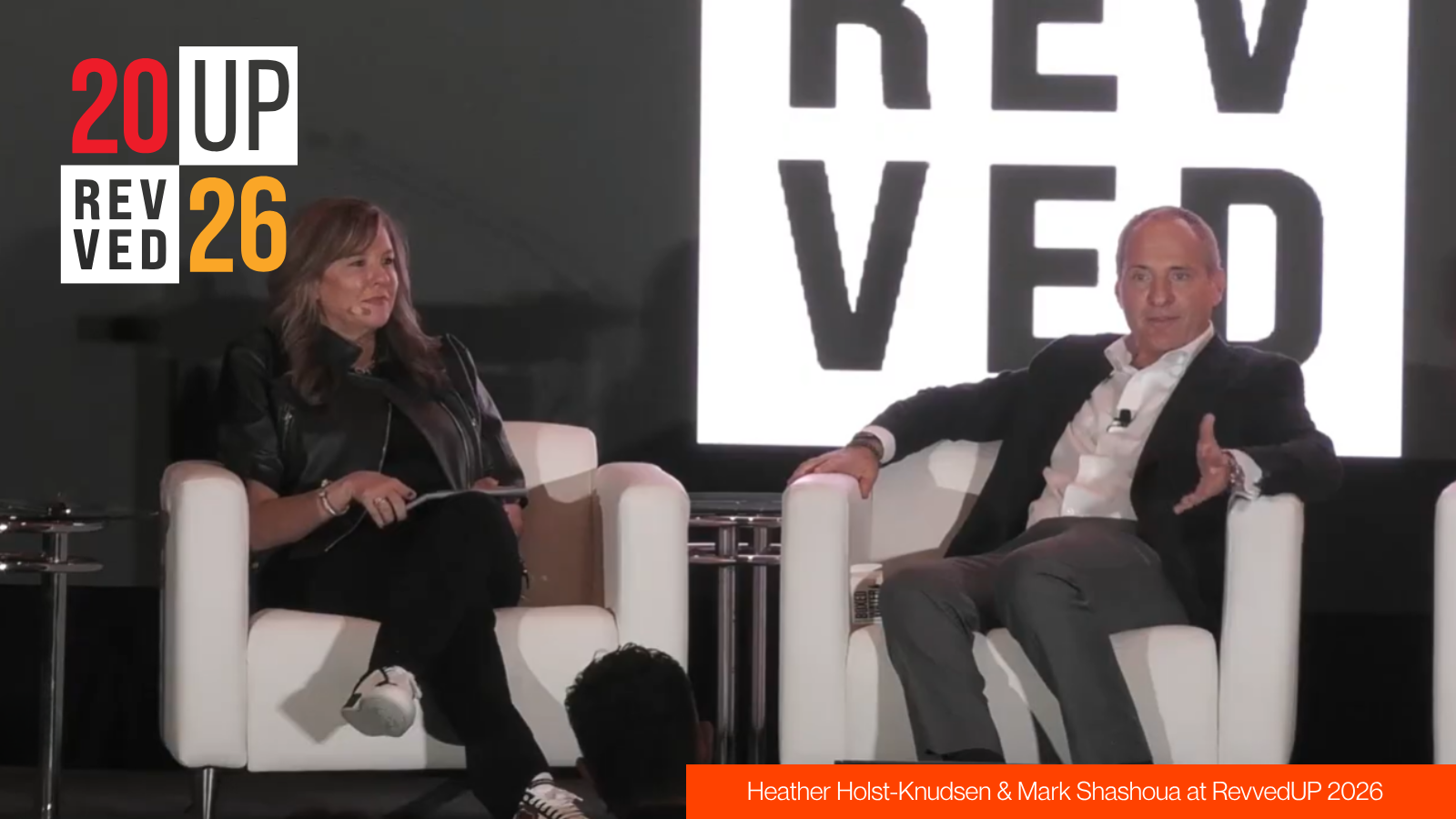
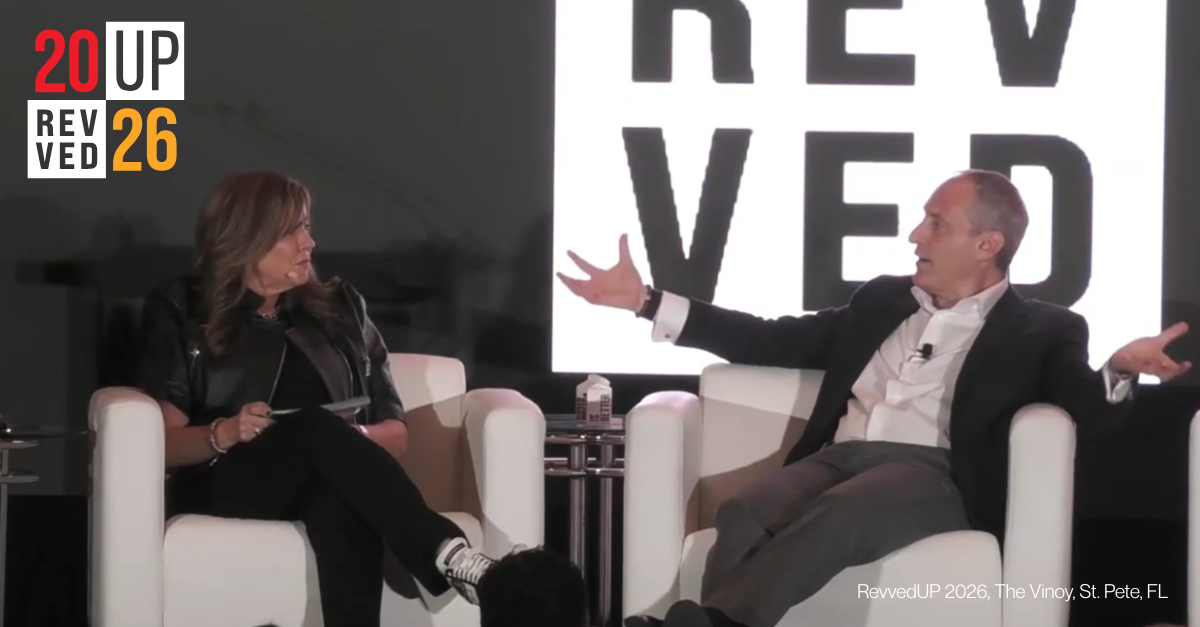
At RevvedUP 2026, Mark Shashoua, CEO, Hyve Group did not describe an events business built on floorplans, booths, or broad audience volume. He described one built on market power. His fireside chat was a useful corrective for event CEOs still treating “more attendees” as the primary growth strategy. The better question is sharper: do you own the room that matters? Shashoua’s model starts with the end market. Hyve does not simply buy shows to consolidate geography or stack portfolios. It looks for sectors where an event can become the category’s main convening point — especially where technology is disrupting how buyers, sellers, investors, and operators make decisions.
That distinction matters. A generic healthcare event is one thing. A health-tech event at the center of industry transformation is another. A financial services trade show is one thing. Money20/20, built around the disruption of payments and banking, is a different asset class.
For event CEOs, the lesson is blunt: category selection is strategy. Format is monetization.
Stardust Gets Attention. Gold Dust Gets Paid.
Shashoua’s most useful framework was his split between “stardust” and “gold dust.”
Stardust is the marquee energy: CEOs, founders, celebrity entrepreneurs, major platform speakers, and product launches. It is what makes a sector feel like it is moving. It creates urgency. It gives senior people permission to attend.
Gold dust is more valuable. These are the buyers others will pay to meet: senior budget holders, decision makers, and category-defining customers. In Shashoua’s words, they are “the most important people in the room.”
That is the economic center of the modern event business.
Traditional event logic says: sell sponsorship, sell space, sell tickets. Shashoua’s logic says: first attract the gold dust, then monetize the demand around them. That changes everything from programming to sales compensation to data architecture.
It also explains why hosted-buyer and meetings models can be powerful — and dangerous if poorly executed. Hyve’s ShopTalk example is telling: roughly 10,000 attendees, a target ratio of about 30% buyers, and tens of thousands of pre-scheduled meetings with extremely high completion rates. That is not “networking.” That is engineered commercial intent.
The Margin Is in the Matchmaking
Most events are still built on hope. Put the right people in a convention center and hope the right conversations happen.
Shashoua called out the weakness directly: the business has too often been predicated on the hope that the right person meets the right person.
That is no longer good enough.
The CEO opportunity is to move from venue operator to market-maker. That means using data before, during, and after the event to match buyers and sellers with precision. Not vague recommendations. Not a mobile app with a list of attendees. Actual double opt-in meetings, buyer qualification, seller fit, post-event ROI proof, and year-round relationship products.
AI will help here, but not in the lazy “agents will replace everything” way. Shashoua was appropriately skeptical. AI can improve relevance, navigation, sourcing, and matching. But when the buyer is the head of IT at Nike or a budget owner making a seven-figure decision, the human meeting still matters.
The winning event companies will not replace the room. They will make the room more measurable.
Not Every Event Deserves a Hosted-Buyer Model
One of the most CEO-relevant points in the conversation was what doesn’t work.
Shashoua drew a clear line between large-scale ecosystem events and traditional trade fairs. A senior ecosystem event, where people stay for three days and pay meaningful registration fees, can support scheduled meetings away from the show floor. A trade fair, where visitors come and go and exhibitors are tied to booths, often cannot.
That is a profitability lesson. Copying a high-margin meetings product into the wrong format can destroy trust and waste operating expense.
The smarter move is format-specific monetization. For trade fairs, meetings may need to happen at the stand. For senior conferences, 15-minute double opt-in meetings may work. For executive communities, hosted dinners and intimate year-round access may create more value than another regional show.
Value Creation Comes From Owning the Category, Then Expanding It
The bigger strategic play is convergence.
Hyve is not just selling individual events. It is building access channels across categories where the same enterprise customers — Google, Meta, Apple, Microsoft, and others — want influence. Once an organizer owns multiple critical end-market rooms, enterprise selling becomes more powerful. The pitch shifts from “sponsor this show” to “reach your priority buyers across the sectors shaping your growth.”
That improves revenue growth through larger account deals. It improves profitability by increasing sales productivity. And it improves enterprise value by making the portfolio more durable, more defensible, and less dependent on any single event cycle.
Metrics + Instrumentation
Event CEOs should track three layers:
Revenue Growth: buyer-to-seller ratio, meetings sold, meetings completed, revenue per buyer, revenue per sponsor, enterprise account penetration, and year-round product attach rate. Ownership: CRO and portfolio MD.
Profitability Acceleration: cost per qualified buyer, hosted-buyer travel cost per completed meeting, sales cost per enterprise account, margin by format, and retention by sponsor cohort. Ownership: CFO, COO, and commercial operations.
Value Creation Improvement: category share, seniority of audience, repeat attendance of gold-dust buyers, sponsor renewal rate, cross-portfolio account expansion, and geographic launch performance. Ownership: CEO, strategy, and corporate development.
The board-level takeaway: the best event businesses are not selling square footage. They are selling qualified access, measurable intent, and category authority. Shashoua’s message to event CEOs was clear: own the gold dust, instrument the meetings, and build the platform around the market’s most valuable conversations.
To go deeper, watch the full RevvedUP session video here To join the next CEO conversation, request an invitation to RevvedUP 2027, March 14–16 at The Vinoy in St. Petersburg. Or better yet, join the conversation all year long and become a Revenue Room™ CXO member, the fastest growing professional network for CEOs and their revenue-critical C-Suite teams in media, events, and data/information sectors.