For many leadership teams, LinkedIn has become a paradox. It is widely acknowledged as important, yet it consistently underdelivers against expectations. More content is published than ever before. More effort goes into calendars, formats, and frequency. Still, influence feels elusive.
That tension was at the center of my conversation with Lia Bliss , CEO and Founder of Bliss Magic Consulting . Her perspective was clear. LinkedIn does not reward activity. It rewards leadership clarity. And the gap between those two ideas is where most organizations lose momentum.
WATCH THE FULL EPISODE ON OUR YOUTUBE CHANNEL
Listen to the full episode on Apple , Spotify , or Amazon
Volume Feels Productive. Clarity Creates Results.
The pressure to stay visible has pushed many organizations into production mode. Content pipelines are full. Teams are measuring output. Executives are encouraged to post regularly.
What often goes unexamined is whether the organization actually has something to say.
Lia explained that when leaders lack a clear point of view, content becomes interchangeable. It may check the box, but it does not shape perception. LinkedIn’s algorithm surfaces relevance and resonance, but audiences respond to conviction.
Clear leadership cuts through because it feels intentional.
LinkedIn Has Become a Proxy for Leadership Credibility
Long before a buyer engages with sales, they observe leadership. They look for signals. How leaders think. What they prioritize. Whether their perspective feels grounded in experience.
LinkedIn has become one of the primary places where that assessment happens.
Lia emphasized that executive presence is no longer optional for organizations that rely on trust, relationships, and long sales cycles. Silence creates ambiguity. Generic messaging creates distance.
Leadership presence creates confidence.
Why Brand Pages Cannot Carry Authority Alone
Organizations often expect their brand pages to do the heavy lifting. Lia was direct about why this approach falls short.
People do not build trust with logos. They build trust with leaders. Executive voices bring context, judgment, and perspective that brand messaging cannot replicate.
When leaders show up, the organization feels real. When they do not, even strong content feels abstract.
This is not about personal exposure. It is about signaling leadership maturity.
Clarity Is a Leadership Discipline, Not a Marketing Task
One of the most important distinctions Lia made was that clarity cannot be delegated.
Marketing teams can support expression, but they cannot manufacture conviction. Leadership must decide what the organization stands for, where it draws lines, and what conversations it is willing to lead.
Without that foundation, LinkedIn becomes a reflection of internal uncertainty.
Strong presence is the byproduct of strong leadership alignment.
AI Raises the Stakes for Clear Thinking
AI has changed the mechanics of content creation. Speed and scale are no longer constraints. Lia cautioned that this makes clarity more important, not less.
When leaders are unclear, AI accelerates sameness. When leaders are clear, AI becomes a powerful amplifier.
LinkedIn increasingly rewards originality, judgment, and insight. Tools can support those qualities, but they cannot replace them.
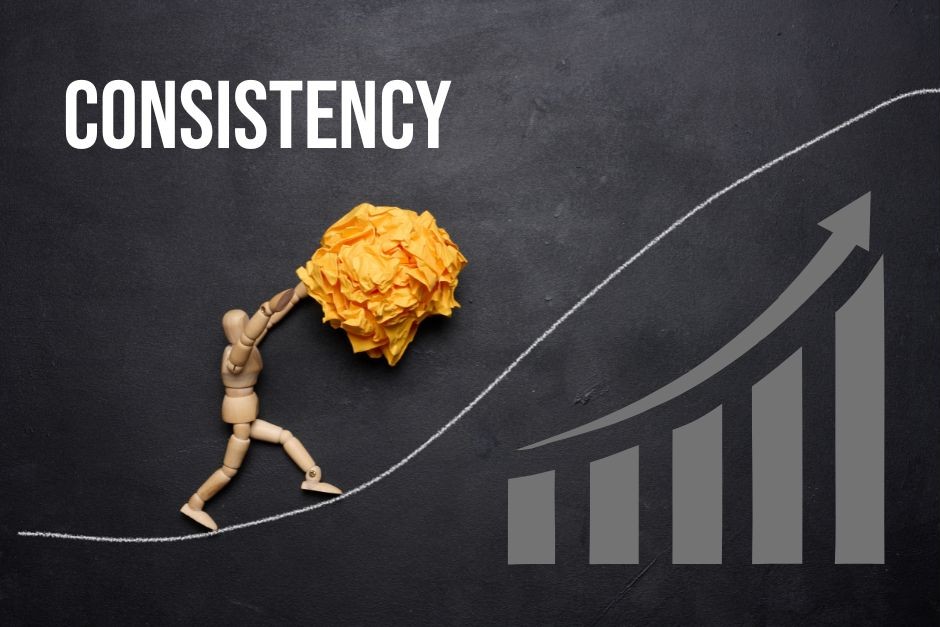
Consistency Builds Recognition. Recognition Builds Trust.
Many leaders approach LinkedIn in short bursts. Activity spikes around announcements or campaigns, then fades.
Lia emphasized that consistency is what trains the market. When leaders show up with a steady perspective over time, audiences begin to recognize their voice.
Recognition creates familiarity. Familiarity creates trust. Trust opens doors.
This is how influence compounds quietly.
What High-Performing Leaders Do Differently
From Lia’s perspective, leaders who succeed on LinkedIn share a few habits:
- They are clear about who they are speaking to
- They lead with perspective, not promotion
- They show up consistently
- They value trust over reach
- They treat LinkedIn as a leadership platform, not a content channel
These leaders are not louder. They are clearer.
Why This Matters for Revenue
Leadership clarity shapes how opportunities unfold. Buyers gravitate toward organizations that feel confident, thoughtful, and aligned.
LinkedIn plays a quiet but meaningful role in that process. It influences who gets trusted, who gets remembered, and who gets invited into conversation.
Clear leadership does not just build reputation. It shapes revenue outcomes over time.
These are the kinds of leadership conversations that deserve more than surface-level advice.
That is why the conversation continues inside Revenue Room CXO and live at RevvedUP 2026 , March 23–24 at The Vinoy, St. Pete, where the future of revenue leadership takes center stage. These working sessions bring CEOs and senior executives together to sharpen strategy, compare perspectives, and strengthen how they show up in the market.
Join RevvedUP 2026 now!